The Mobile Screening Plant Turns Feed Into Saleable Sizes

The SNS series is not just a transfer screen. It is the station that decides whether your crushed material becomes one mixed pile or multiple products you can actually sell. With double- or triple-deck layouts, flexible aperture setup, and a tire-type chassis, it fits quarry grading, recirculation control, and contract screening jobs that move from site to site.
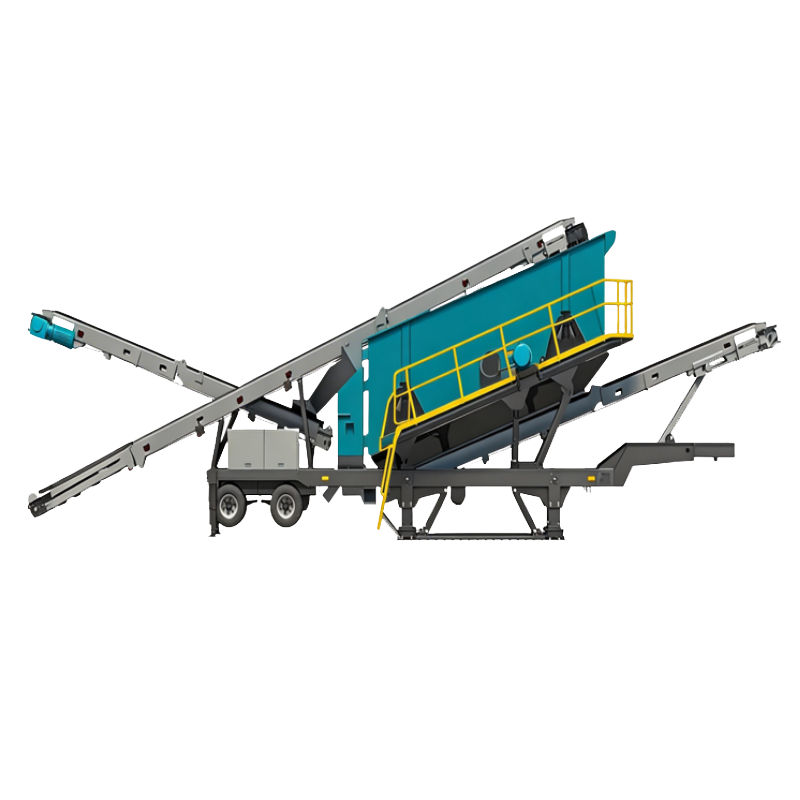
SUNREX SNS mobile screening plant full product view
80โ€“300
t/h Capacity Range
2โ€“5
Output Fractions
<2 hrs
Typical Site Setup
0โ€“20ยฐ
Hydraulic Deck Angle

A Dedicated Mobile Screen for Real Grading Work, Not Just Overflow Handling

The SNS platform combines a vibrating screen body, wheeled chassis, foldable discharge conveyors, and hydraulic setup logic into one mobile station. It is built for operators who need stable size separation, fast relocation, and simple integration with jaw, cone, or impact crushing lines.

Overview of SUNREX SNS mobile screening plant
Double / Triple Deck 2โ€“5 Fractions 80โ€“300 t/h Hydraulic Fold-Down Tire-Type Chassis
Screen typeDouble-deck / triple-deck vibrating screen
Capacity range80โ€“300 t/h
Typical feed sizeUp to 150 mm crushed feed
Typical output2โ€“5 fractions, depending on aperture layout
Media optionsWoven wire, polyurethane, punch plate, anti-blinding media
MobilityTire-type chassis with hydraulic fold-down setup
If the project already has crushing but still struggles with mixed piles, recirculation, or unstable gradation, the screen is usually the missing stage. If you still need the first crushing step, compare this page with the jaw, cone, or impact stations first.

What Makes the SNS Station Practical on Daily Screening Duty

For a screen, daily output depends less on theory and more on panel changes, feed stability, deck setup, and whether the unit can stay efficient when site conditions change.
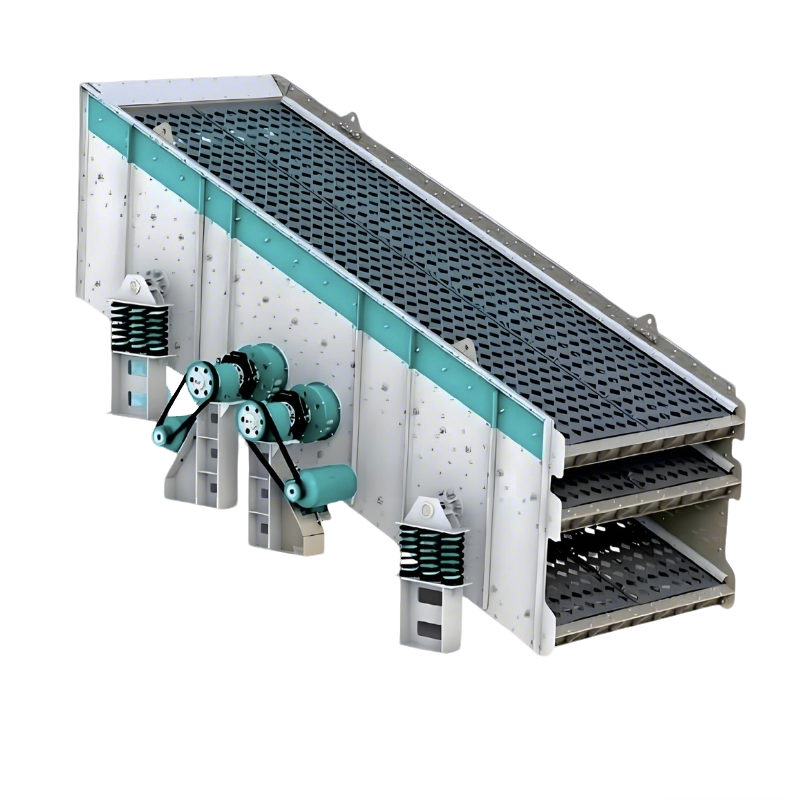
YK vibrating screen core unit used on SNS mobile screening plant

Double- or triple-deck screen body

Choose the deck layout based on how many finished fractions you need and how tight the specification is for each pile.

Hydraulic deck angle adjustment

Adjust dwell time and throughput without rebuilding the setup. Steeper angles increase tonnage, while flatter angles improve fine separation.

Fast panel access and media change

When your size spec changes, the plant should not sit idle for half a day. The SNS layout is built around practical maintenance access.

Wet-screening and anti-blinding options

Spray bars, polyurethane panels, and material-specific media help keep sticky feed moving instead of plugging the deck.

Standalone or closed-circuit deployment

Run it as an independent grading station or pair it with a crusher for recirculation control and finished product separation on one mobile line.

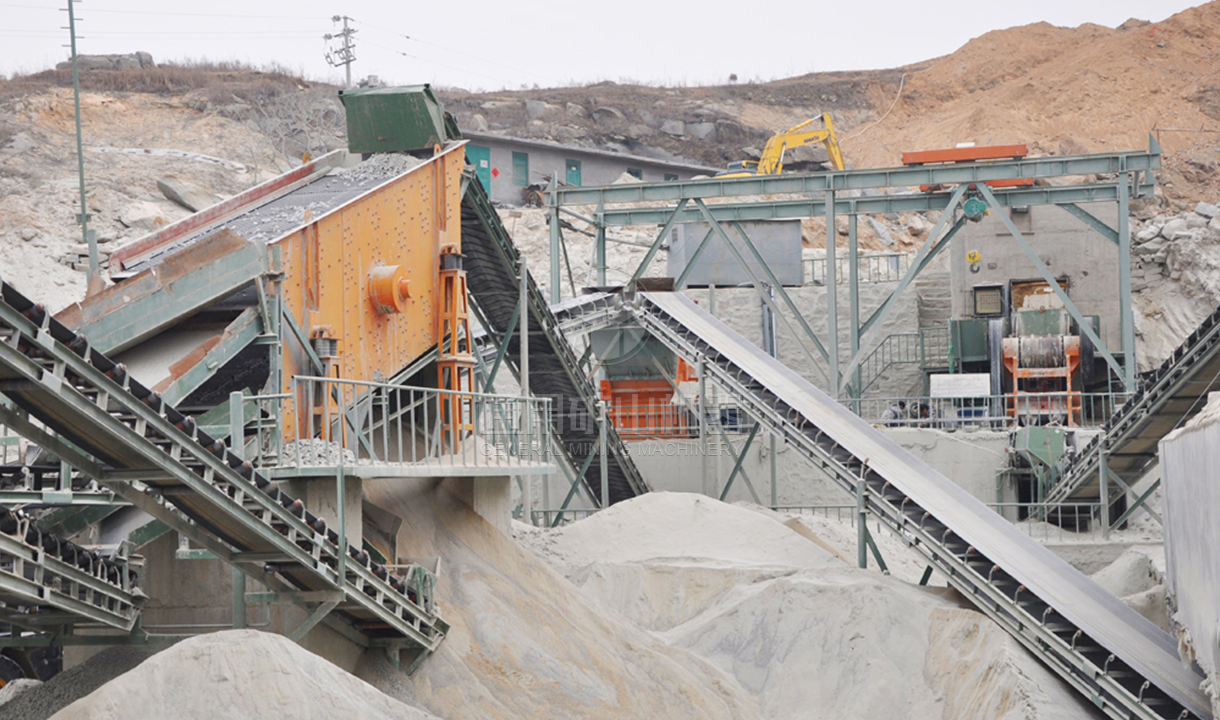
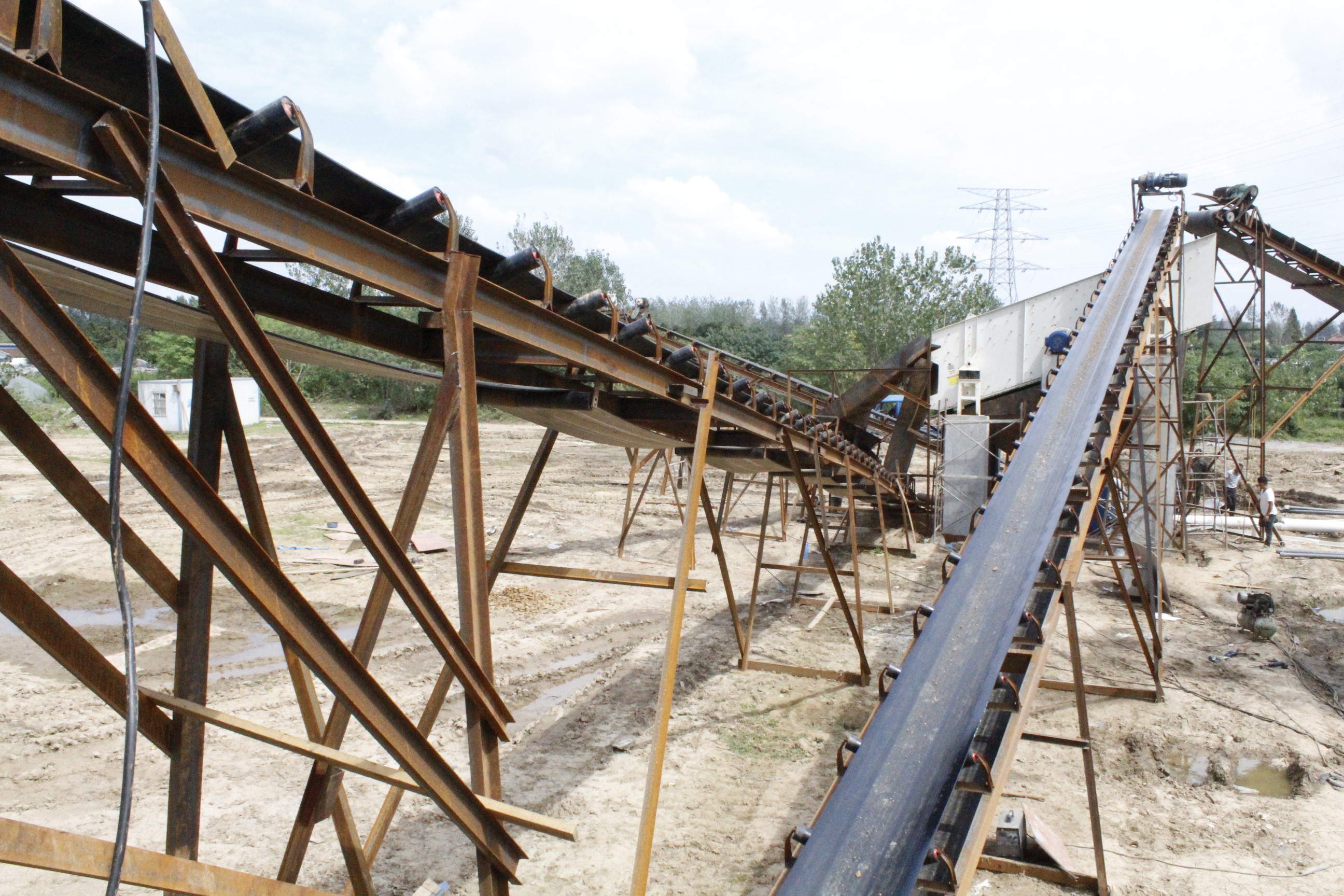
SNS Series in Quarry and Recirculation Duty

Keep the mobile screen presentation clean first, then show the grading and stockpile environments it is built for.
SNS Series Mobile Screening Station

Three platform sizes covering compact grading jobs up to higher-capacity quarry screening. Choose by throughput, number of fractions, and the aperture window you need to control.

Compact ยท Precision Grading
SNS1536-2
Capacity80โ€“200 t/h
Screen size1500 ร— 3600 mm
Decks2-deck, configurable to 3
Motor power2 ร— 15 kW
Transport size11200 ร— 2600 ร— 3800 mm
Best for smaller quarries, aggregate finishing, and recycling lines below 200 t/h.
Mid-Range ยท Triple Deck
SNS1848-3
Capacity200โ€“300 t/h
Screen size1800 ร— 4800 mm
Decks3-deck standard
Motor power2 ร— 22 kW
Transport size13500 ร— 2700 ร— 4200 mm
Best for standard quarry aggregate lines and closed-circuit cone or impact crushing systems.
Heavy-Duty ยท High Volume
SNS2160-3
Capacity240โ€“300 t/h
Screen size2100 ร— 6000 mm
Decks3-deck, optional 4
Motor power2 ร— 30 kW
Transport size16200 ร— 3000 ร— 4600 mm
Best for larger quarries, final grading duty, and multi-product aggregate production up to 300 t/h.

Where the SNS Screen Delivers the Most Value

The screen becomes valuable when grading quality, stockpile discipline, and relocation all matter at the same time.

Aggregate grading application
Final aggregate grading after cone crushing
Separate finished stone into stable commercial fractions instead of relying on one mixed product pile.
Core fit
Closed-circuit mobile crushing application
Closed-circuit control after impact or cone
Return oversize automatically and keep finished fractions within target size range.
High control
Construction waste screening application
Construction waste cleanup and recycled aggregate sorting
Use different media and apertures to separate reusable recycled fractions for road base, fill, or follow-up crushing.
Flexible media
Contract screening project application
Contract screening with frequent site changes
Move the screening stage with the job instead of investing in permanent support infrastructure at every location.
Fast deployment

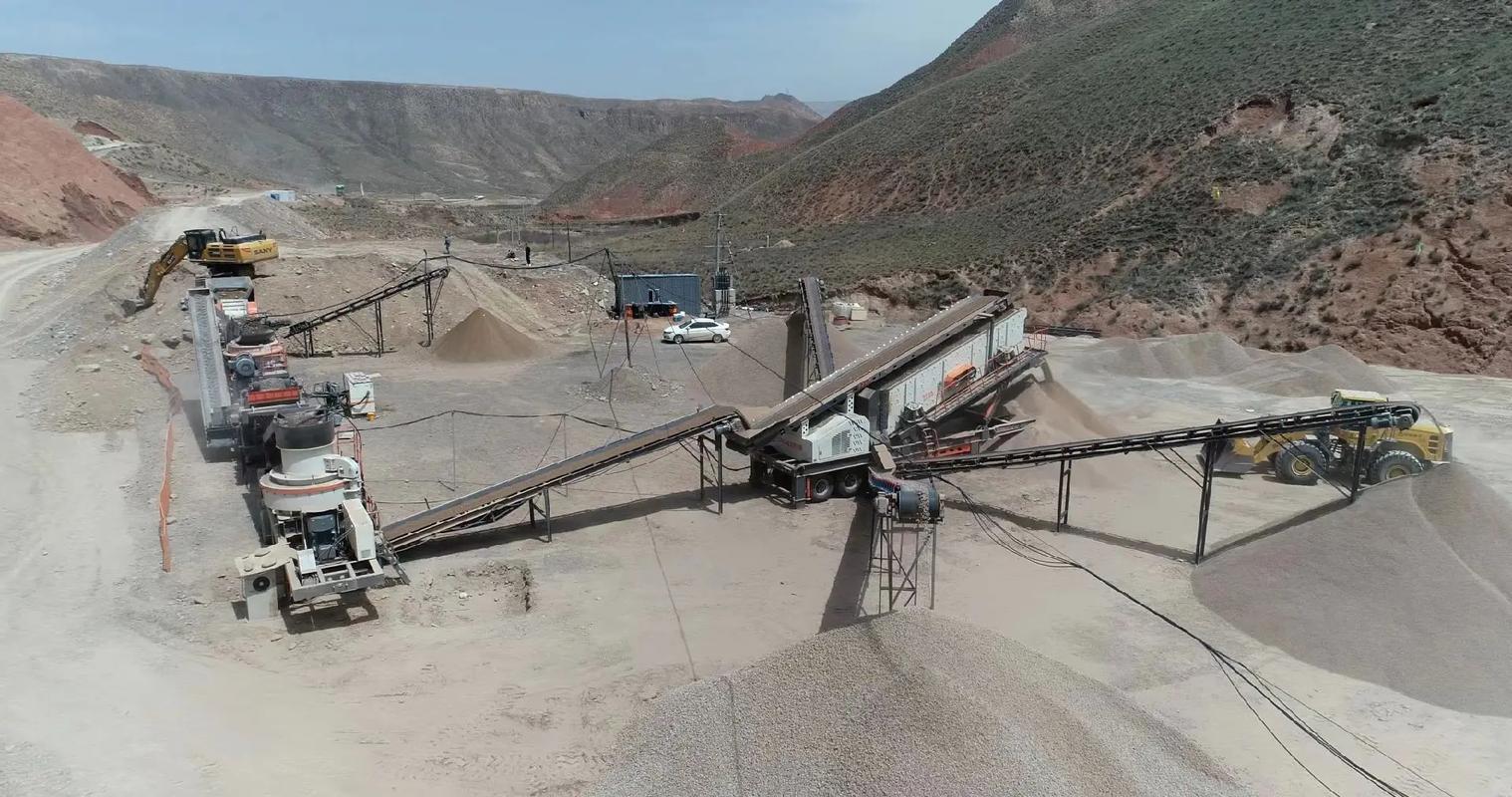
5-Fraction Aggregate Production for a 90-Day Highway Project

This case matters because it reflects a common mobile-screening decision: one temporary project, tight delivery windows, and a real need for multiple finished fractions rather than a single mixed pile.

Mobile screening project reference for aggregate production
Location: Overseas highway project Model: SNS1848-3 Feed: Pre-crushed limestone aggregate
Dedicated mobile grading stage for spec-based highway aggregate delivery

The contractor needed multiple aggregate sizes for sub-base, asphalt support, and drainage layers, but the crushing stage alone could not keep the fractions separated tightly enough. Adding the SNS1848-3 as a dedicated grading stage allowed the team to produce multiple consistent product piles on a temporary site without building a permanent screen house.

The mobile layout mattered because the project window was limited to one road package. Once the supply period ended, the unit could be folded, relocated, and reused on the next contract instead of becoming stranded infrastructure.

280 t/h
Peak screening rate
5 grades
Output fractions
90 days
Project duration
<2 hrs
Setup after relocation
0โ€“5 mm fines 5โ€“10 mm aggregate 10โ€“20 mm aggregate 20โ€“31.5 mm aggregate

Questions Buyers Usually Ask Before Choosing a Mobile Screen

What is the capacity range of SUNREX mobile screening plants?
SUNREX SNS mobile screening plants typically cover 80โ€“300 t/h depending on model, aperture size, deck arrangement, and feed gradation. Finer cuts and wetter material reduce effective tonnage, while coarse dry screening usually increases it.
How many output fractions can the SNS produce simultaneously?
A double-deck setup usually gives 2โ€“3 controlled fractions, while a triple-deck layout can produce up to 5 streams including oversize, mid-size products, and fines. The exact number depends on discharge arrangement and the target spec.
How quickly can the SNS be deployed and relocated?
Typical field setup is under 2 hours after the unit arrives on site, depending on ground preparation and conveyor unfolding. This is one of the main reasons contractors choose mobile screening over fixed installations for temporary projects.
Can the SNS handle wet or clay-bearing materials?
Yes, but the setup matters. Spray bars, polyurethane panels, and anti-blinding media can significantly improve performance on wet, sticky, or clay-bearing feed. For extremely difficult material, washing equipment may still be required.
What is the difference between a standalone mobile screen and an integrated crusher-screen station?
A standalone mobile screen gives you more layout flexibility, independent positioning, and easier use with different crushers. An integrated crusher-screen station reduces the number of transport units but limits how independently the screening stage can be deployed.
How often do screen panels need replacement?
It depends on abrasiveness, moisture, media type, and daily hours. Dry limestone may offer long service life, while recycled or highly abrasive feed wears panels faster. The correct media choice often affects life as much as the material itself.
Workflow

Connect Your Screening Stage

Need to connect this screening stage with the rest of your process?

Tell Us Your Feed, Target Fractions, and Required Capacity.

Feed size, number of output products, target apertures, moisture condition, and whether the screen works standalone or in closed circuit โ€” we will recommend the right SNS setup and discharge layout.

Scroll to Top