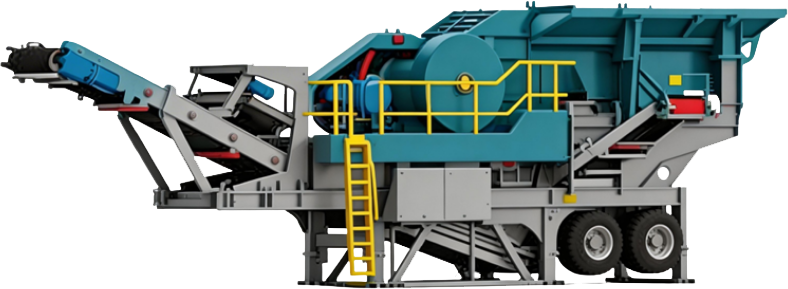
Primary Crushing
Jaw Crusher Mobile Plant
Best for larger feed sizes and hard stone. Commonly used as the first stage in quarry, mining, and aggregate production jobs.
SUNREX mobile crushing plants are built for fast deployment, site-to-site flexibility, and practical field production. This category page helps you compare jaw, cone, impact, screening, sand-making, and all-in-one mobile routes before moving into the individual product pages.
Mobile plants are not just smaller versions of fixed lines. They solve a different job: fast site entry, easier relocation, lower temporary civil work, and production closer to the material source.
Reduce setup time on temporary or shifting sites and start producing with less civil work than a comparable fixed installation.
Move between quarry faces, contract jobs, road sections, or recycling sites without building a new plant from zero each time.
Process material closer to the feed source and reduce repeated truck movement, internal transport distance, and fuel waste.
Start with one unit or build a full mobile train with jaw, cone, impact, screen, and sand-making modules as the project grows.
Each category below links to a dedicated product page. Use this overview to narrow down the right crushing stage, material type, and production objective before requesting a proposal.
Best for larger feed sizes and hard stone. Commonly used as the first stage in quarry, mining, and aggregate production jobs.
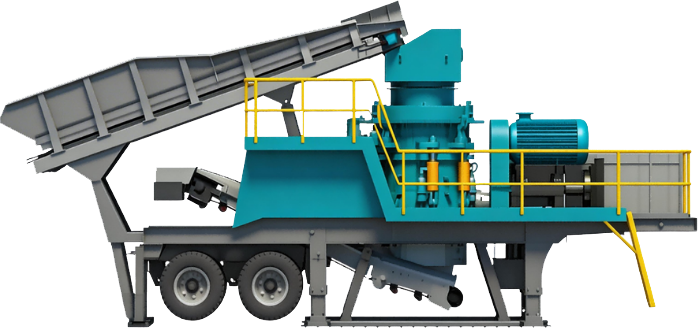
Designed for hard and abrasive stone when you need stable secondary or tertiary crushing and tighter aggregate control.
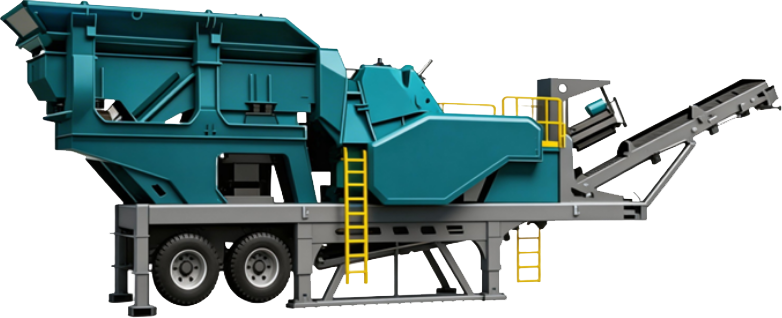
Well suited to softer stone, recycled concrete, and projects that value cubical product shape and flexible field production.
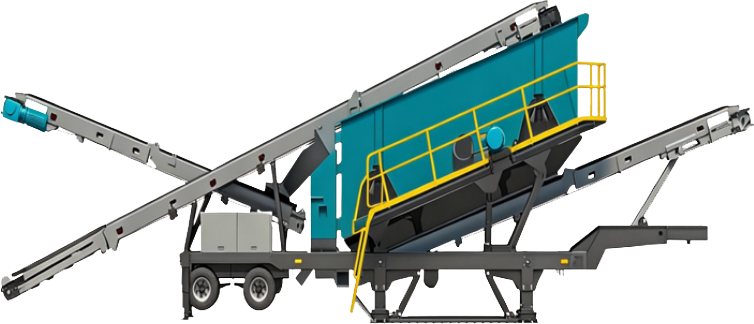
Used to separate finished fractions, clean material, and complete a mobile train where recirculation and grading are essential.
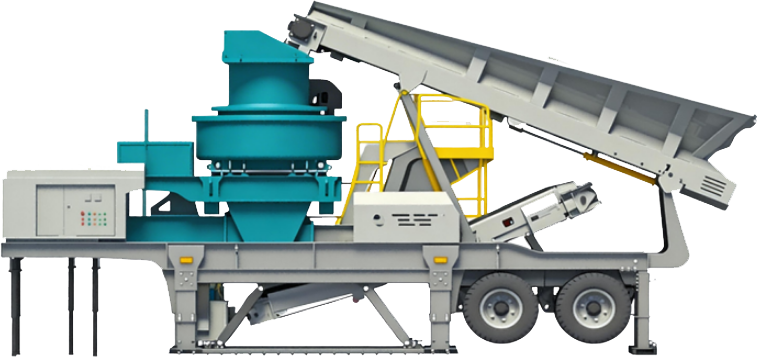
Configured for projects that need manufactured sand, improved particle shape, and efficient shaping on a mobile chassis.
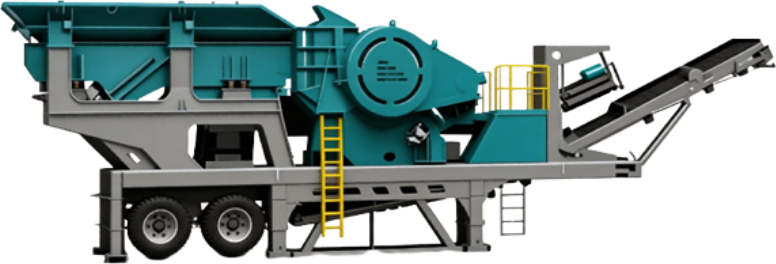
A compact setup that combines feeding, crushing, and screening into one chassis for smaller, faster-moving projects with simpler logistics.
Most enquiries fall into one of these scenarios. Identifying your project type early makes the equipment route and chassis arrangement much clearer.
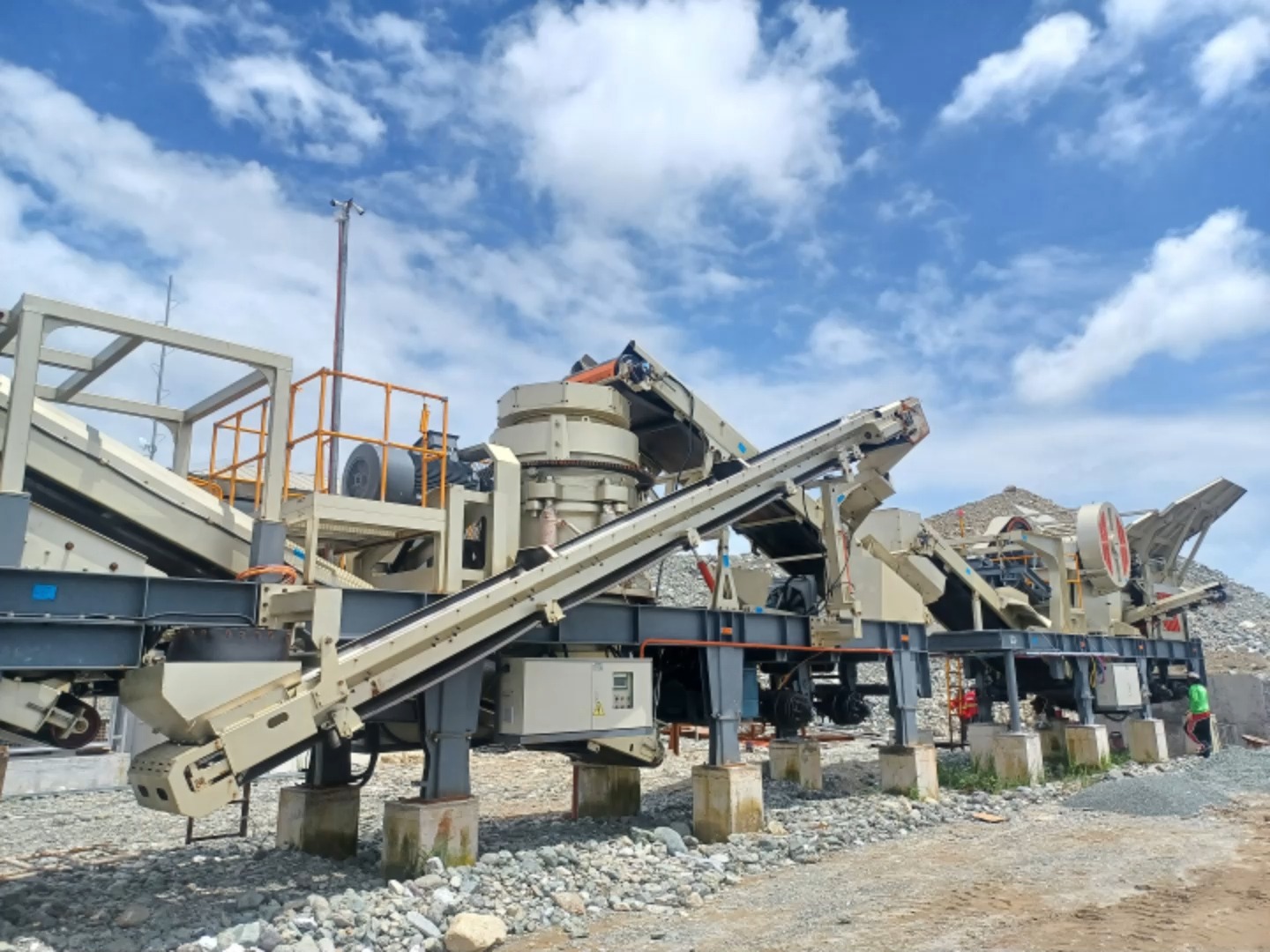
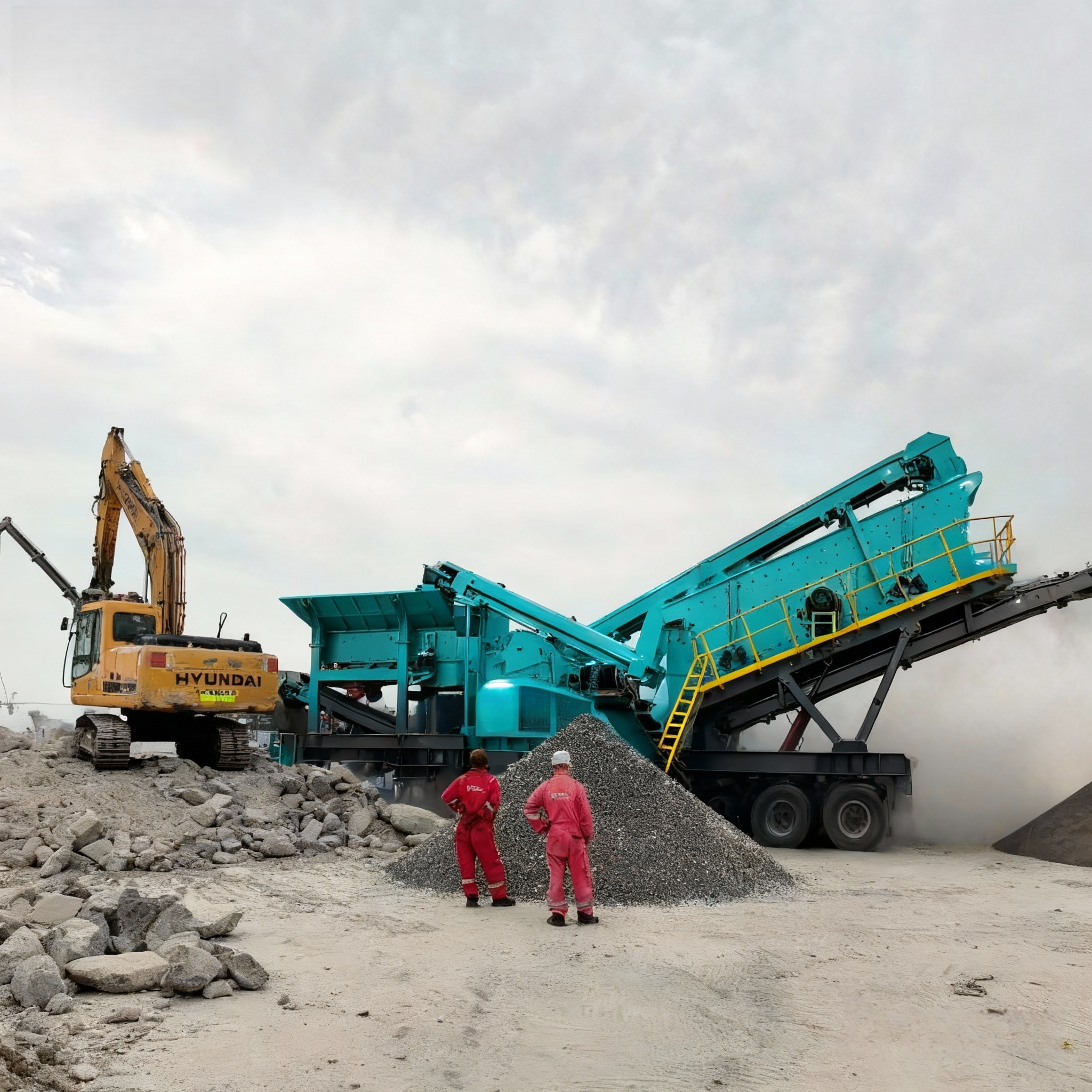
Suitable when the blasting face shifts, internal haul distance matters, and a mobile jaw + cone + screen train can stay closer to the material source.
A mobile impact or jaw route reduces transport and allows recycled material to be processed directly where demolition or collection work happens.
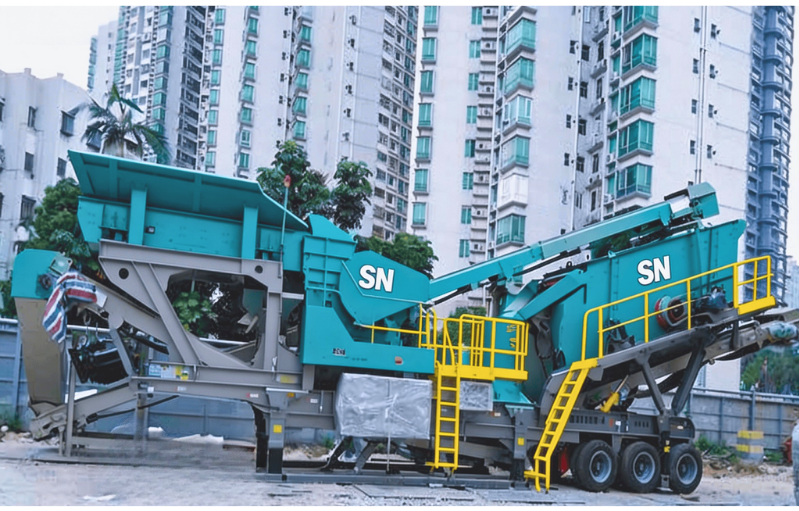
Useful for contractors who need aggregate, base, or shaped material close to the work zone without investing in a permanent fixed line.
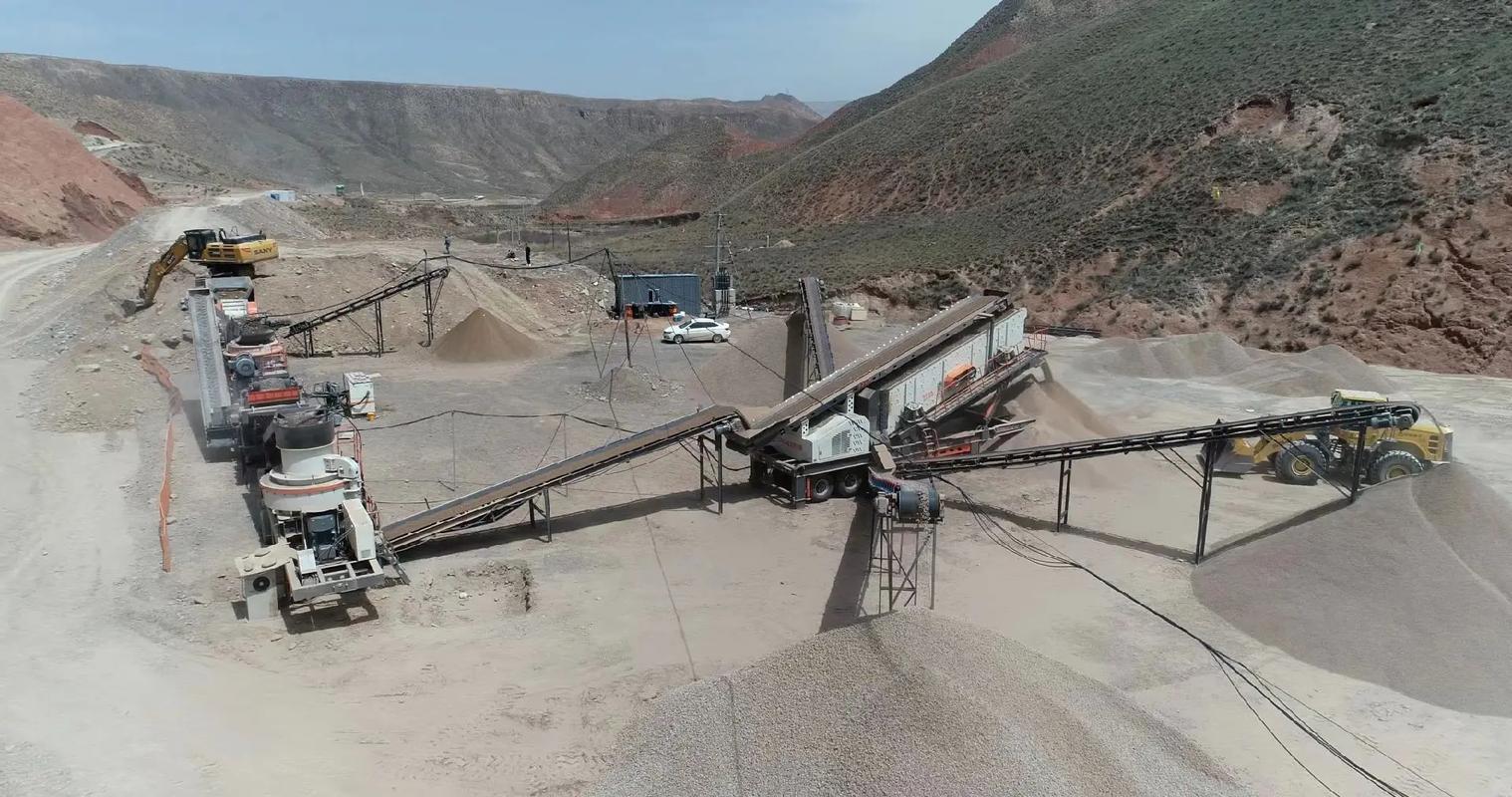
Ideal when your equipment must serve several sites per year and production uptime matters more than building one permanent installation.
The fastest way to select a mobile setup is to confirm the crushing stage, material hardness, desired finished sizes, and whether the project needs a single unit or a full mobile train.
Hard rock, soft stone, recycled concrete, or mixed rubble will immediately narrow the choice between jaw, cone, impact, and sand-making routes.
Tell us whether you need base material, multiple aggregate fractions, better particle shape, or manufactured sand. The output objective determines the process chain.
Compact all-in-one plants suit lighter and shorter jobs, while jaw + cone + screen combinations are better when throughput and product control are higher priorities.
If the site changes often, transport convenience and setup speed matter more. If the plant stays longer, a larger staged mobile train may be the better answer.
A mobile jaw crusher plant is usually the entry point when feed material is larger and the site needs strong first-stage reduction before screening, cone crushing, or sand making.
Use a cone route for hard and abrasive stone when stable secondary or tertiary crushing is required. Use an impact route for softer stone, recycling jobs, and applications that value cubical product shape.
Yes. Mobile screening plants and closed-circuit layouts allow the line to split finished fractions and return oversize material for additional crushing.
Share your material, maximum feed size, required capacity, target output sizes, site location, and whether the project is quarrying, mining, recycling, or road construction.