Turn Pre-Crushed Stone Into Saleable Sand.

The SUNREX mobile sand-making plant is built for the last step that decides particle shape, sand gradation, and final product value. It is the right choice when your project already has reduced feed and now needs 0–5 mm manufactured sand, particle shaping, or recycled concrete fines with better consistency.
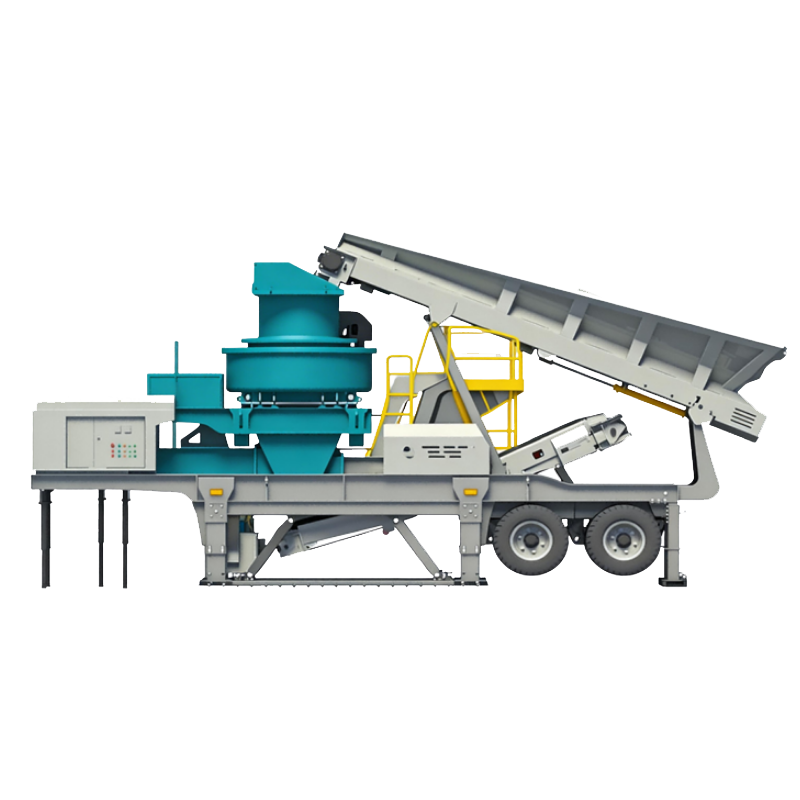
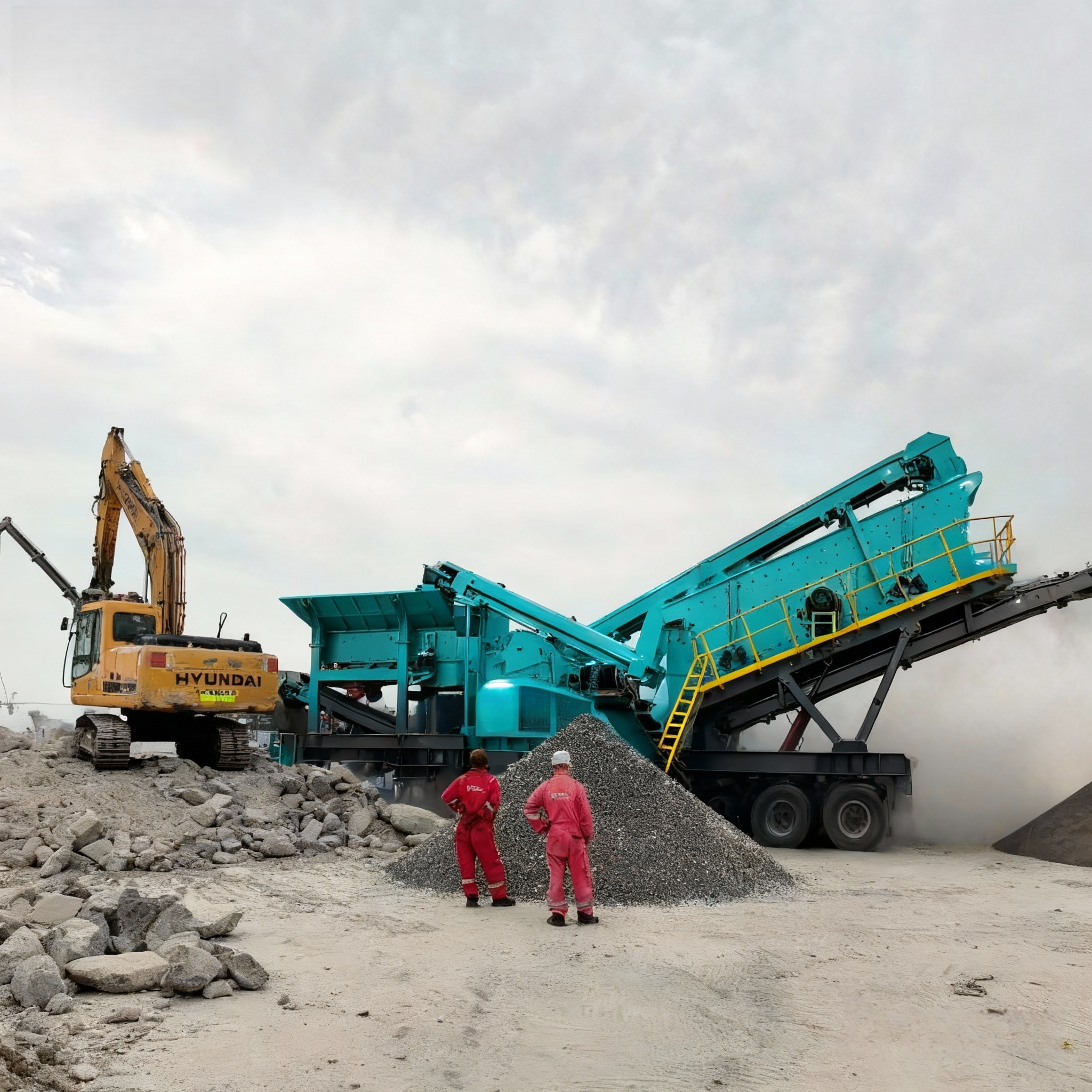
SUNREX SNV mobile sand-making plant full product view
100–300
t/h Reference Capacity
0–5 mm
Main Sand Output
VSI
Core Shaping Stage
2–3 hrs
Typical Site Deployment

This Is the Mobile Stage That Decides Sand Quality.

A sand-making plant is not the first crushing stage. It is the value stage. The input has already been reduced by jaw, cone, or impact crushing, and the project now needs tighter particle shape, controlled fines, and a marketable 0–5 mm product. That is where the mobile VSI route makes sense.

Overview of SUNREX SNV mobile sand-making plant
VSI Shaping 0–5 mm Sand 50–250 t/h Wheel / Spiral Washer Closed Circuit
Role in the processTertiary shaping and manufactured sand production
Usual feed conditionPre-crushed material, typically below 35–45 mm
Typical product target0–5 mm sand, improved cubical particles, adjustable gradation
Common companionsScreen, recirculation conveyor, wheel washer, spiral washer
Recommended projectsQuarry M-sand, limestone shaping, recycled concrete fines, dry-mix sand
Selection logic stays the same as the rest of the SUNREX product system: confirm raw material and max feed size first, then confirm sand quantity, target gradation, and fines limit, then define whether the route stays dry or adds washing downstream.

Inside the Sand-Making Station

Only this section uses the core machine detail view. The rest of the page keeps the complete station presentation.
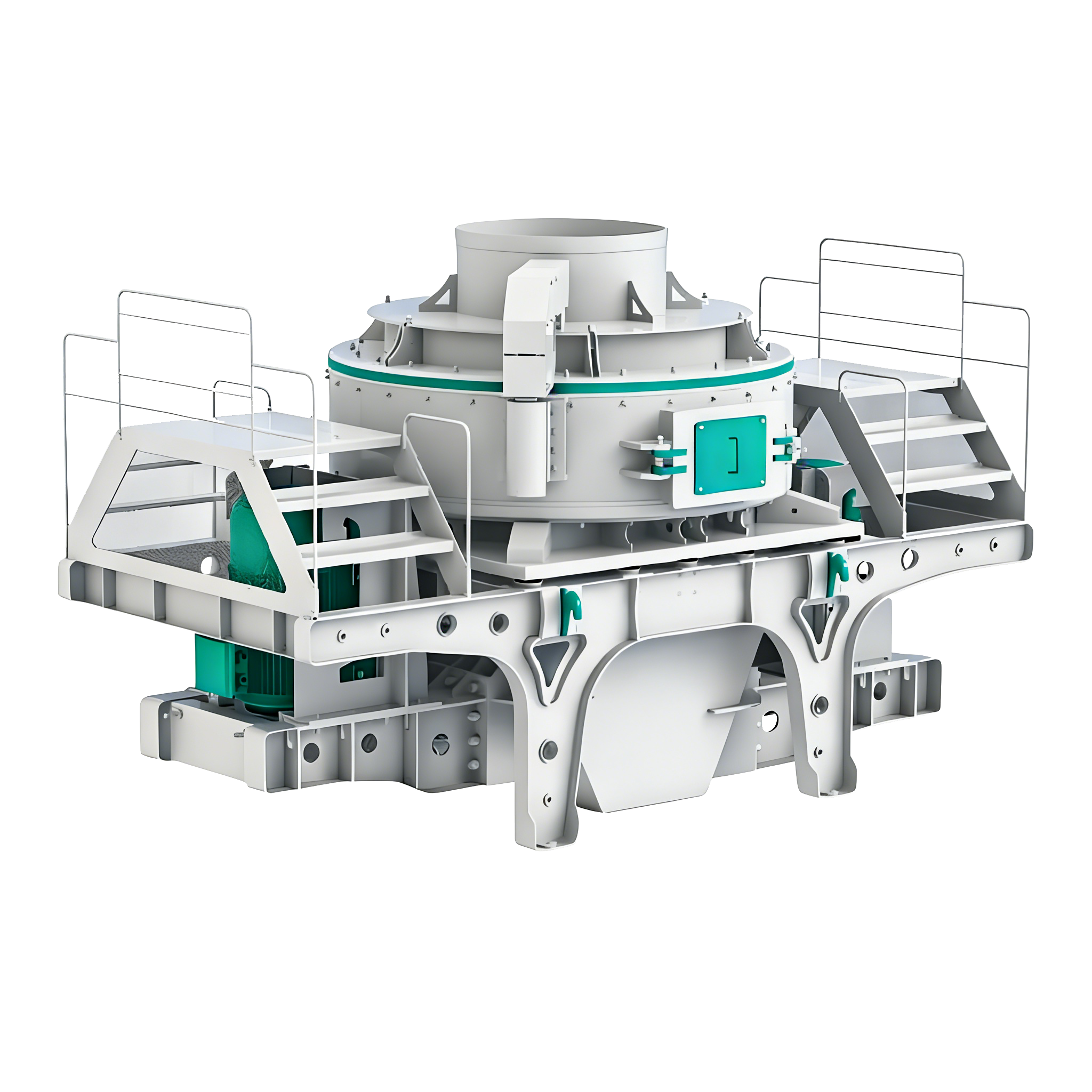
VSI sand maker core unit used on SUNREX SNV mobile station

VSI Rotor for Final Shaping

The core job of the VSI is not rough reduction. It is to refine the last stage: improve particle shape, increase usable sand fraction, and tighten gradation around the target product.

Adjustable Gradation Logic

Rotor speed, chamber setup, feed stability, and recirculation load together decide the final sand curve. This is why the SNV stage is always selected together with the target output requirement.

Closed-Circuit Friendly

Oversize can be screened out and returned to the VSI until the final fraction is within target. That makes the route practical for tighter 0–5 mm or shaping-sensitive projects.

Easy to Extend With Washing

If your market requires cleaner sand or lower silt, the mobile sand-making stage can be followed by a wheel washer or spiral washer without changing the upstream crushing logic.

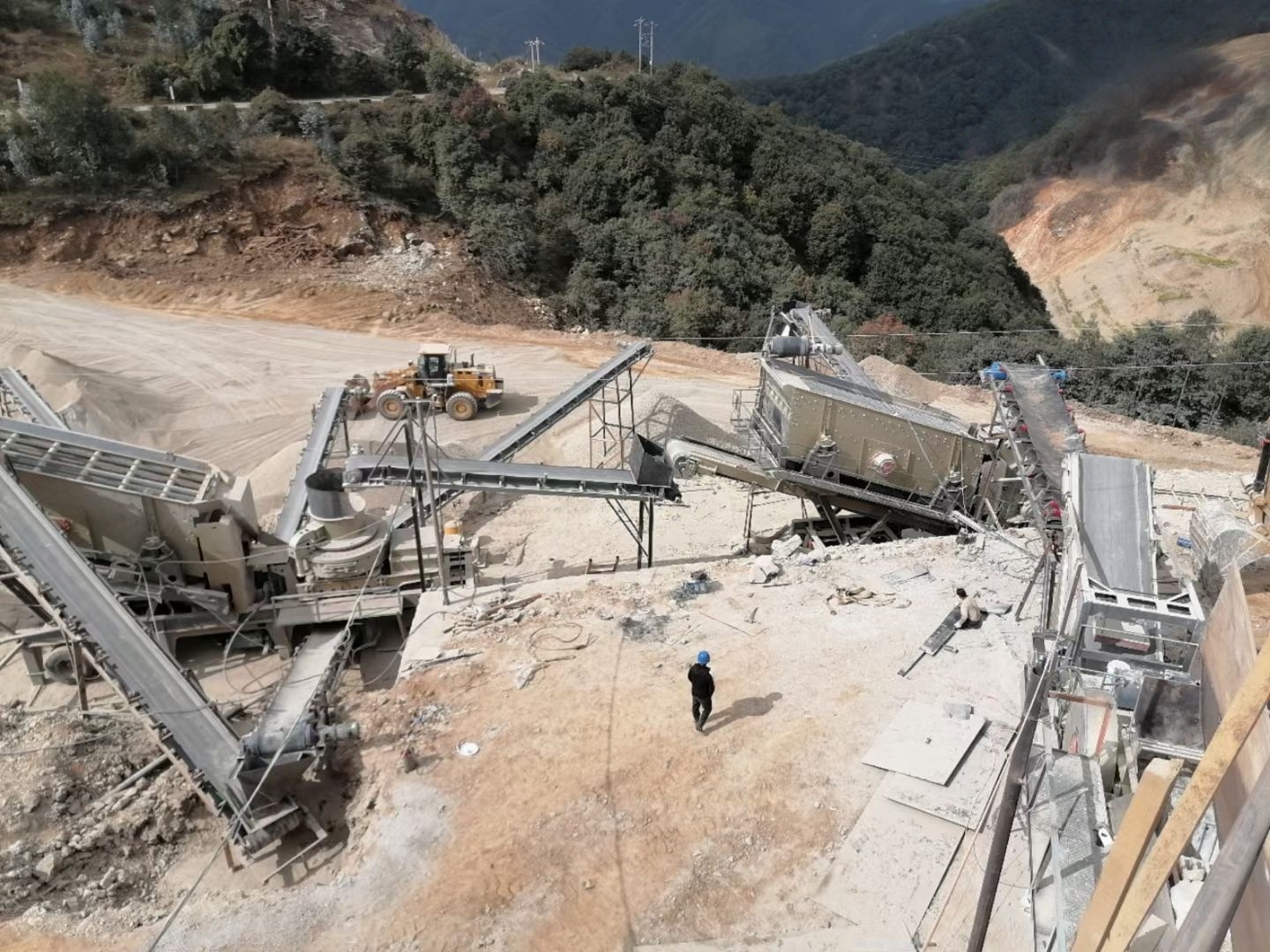
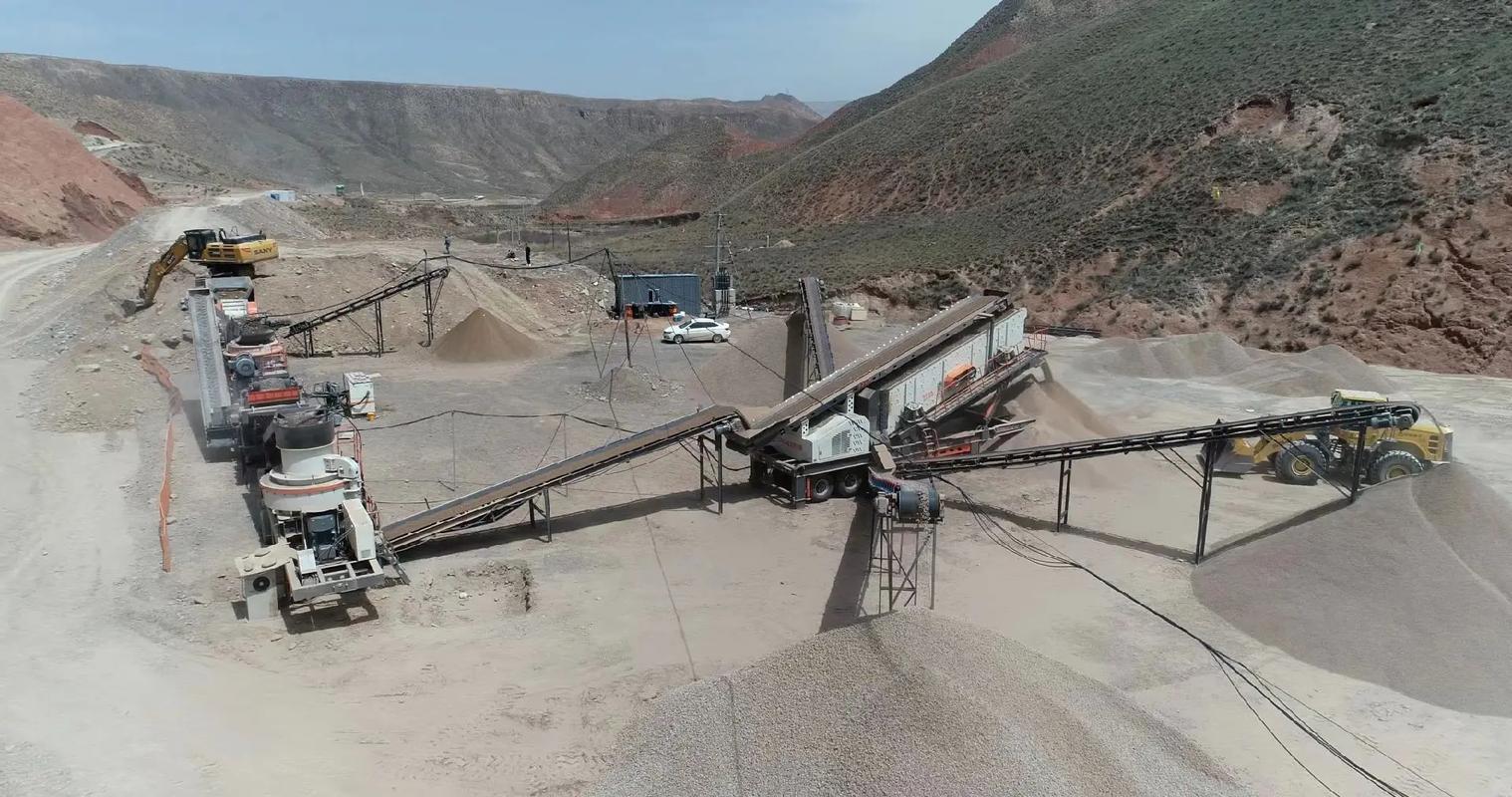
SNV Series in Sand Production Duty

Keep the product view clear first, then show the working route around sand making, recirculation, and optional downstream washing.
Choose the Mobile Sand-Making Range That Matches Your Route

These are reference configurations used to frame project discussions. Final layout depends on your upstream crushing line, target sand curve, and whether washing is included.

Compact Route
SNV-250 Reference
Reference capacity100–150 t/h
Stable feed size≀ 35 mm
Core machineVSI 2500 class
Typical downstream2-deck screen or dry discharge
Best fitPilot M-sand or small contract production
Good when the project already has stable pre-crushed feed and needs a compact mobile finishing stage.
Mainstream Range
SNV-315 Reference
Reference capacity180–220 t/h
Stable feed size≀ 40 mm
Core machineVSI 3150 class
Typical routeCone + VSI + closed-circuit screen
Best fitCommercial quarry M-sand line
Usually the most practical balance for quarry sand, shaped fine aggregate, and multi-product mobile lines.
Higher Output
SNV-400 Reference
Reference capacity250–300 t/h
Stable feed size≀ 45 mm
Core machineVSI 4000 class
Typical downstreamScreen + washer + fines control
Best fitContinuous quarry manufactured sand
Chosen when the line needs stronger commercial output and more disciplined control of final sand quality.

Where a Mobile Sand-Making Route Creates Real Value

The SNV stage fits projects where fine aggregate quality matters as much as tons per hour.
Manufactured sand for concrete
Manufactured Sand for Concrete
Build a consistent 0–5 mm product for ready-mix, precast, or dry-mix supply where natural sand is expensive or restricted.
M-sand supply
Quarry particle shaping
Quarry Particle Shaping
Upgrade the value of existing quarry stone by reshaping excess fines or tertiary product into higher-grade sand and cubical aggregate.
Value-added quarry route
Recycled concrete fine aggregate
Recycled Concrete Fine Aggregate
After proper pre-sorting and metal removal, the VSI stage can rework recycled concrete fines into more usable product for selected applications.
C&D recycling
Mortar, block and dry-mix sand
Mortar, Block, and Dry-Mix Sand
Where consistency and shape are more important than simply reducing rock, the mobile sand route provides better control over the last stage.
Fine aggregate control

Feed Material Changes the Right Sand Route

Do not size a sand-making station by capacity alone. Feed type, abrasiveness, and cleanliness decide wear cost, chamber choice, and whether washing is necessary.

Granite / Basalt
Works well when upstream jaw and cone stages already produce a stable fine feed. Expect stronger wear focus and tighter feed-size control.
Hard rock shaping
Limestone / Dolomite
Common route for manufactured sand because it is easier to shape, easier to control, and often reaches the target sand curve with lower wear pressure.
Most common
Recycled Concrete
Possible after sorting, metal removal, and feed conditioning. Washing is often added when adhered mortar or dust control matters.
Check cleanliness
River Pebble
Usually requires disciplined upstream reduction before the VSI stage. Good final shape potential, but feed stability remains critical.
Needs pre-crushing

Three Common Mobile Sand Routes

The plant is selected after the process, not before it. These typical routes show how the SNV stage fits different materials and project goals.

Hard Rock M-Sand
Jaw crushing
Cone crushing
Screening and recirculation
SNV mobile sand-making
Final screen, optional washer
Output focus: 0–5 mm sand with stronger control of shape and excessive oversize
Best when granite, basalt, or similar hard rock needs commercial M-sand.
Soft Stone Sand & Shaping
Jaw or impact crushing
Secondary reduction if required
SNV mobile sand-making
Closed-circuit screen
Dry discharge or wheel wash
Output focus: higher sand proportion and better particle shape on limestone or dolomite
A practical route where natural sand supply is weak but fine aggregate demand is steady.
Recycled Concrete Fines
Pre-sorting and metal removal
Primary crushing
Screening and controlled feed
SNV mobile sand-making
Washed fine aggregate route
Output focus: more usable fine product with better consistency than untreated recycled fines
Chosen when recycling lines need value-added fines instead of only road-base aggregate.

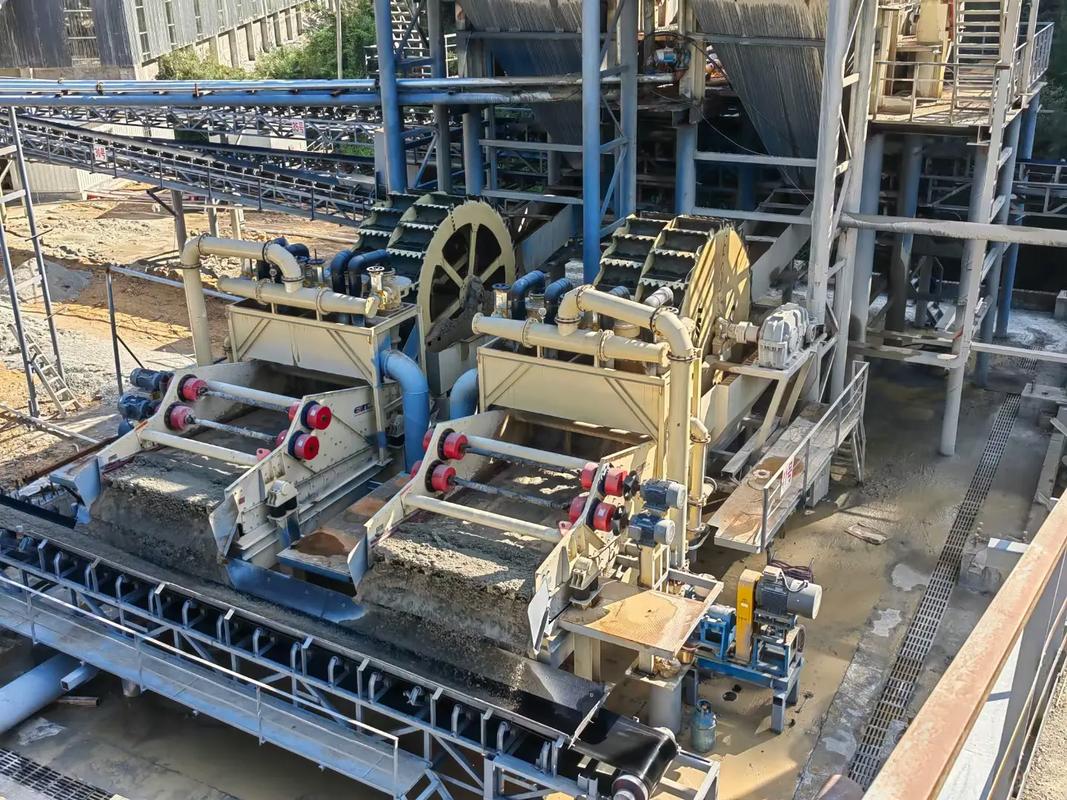
Decide Early: Dry Sand, Wheel Wash, or Spiral Wash

The sand-making stage and the washing stage should be discussed together. The required cleanliness and fines limit decide whether the route stays dry or adds one of the downstream washers already used in the SUNREX product system.

Simplest Route

Dry Discharge

Best when the market accepts dry manufactured sand and the project wants the fewest auxiliary modules. Easier to deploy, but final silt and powder control depends entirely on the upstream route and screening discipline.

Most Common Upgrade

Wheel Sand Washer

Usually selected when the project wants cleaner finished sand with straightforward dewatering and a compact downstream footprint. A practical option for many commercial M-sand lines.

Stronger Cleaning

Spiral Sand Washer

More suitable when the feed is dirtier or the line needs a heavier washing effect. It takes more space than a wheel washer but can be the better answer for tougher feed conditions.

Route Best for Main advantage Watch point
Dry discharge Projects prioritizing mobility and low water demand Fastest setup and simplest layout Cleaner-spec sand may be difficult without tight feed control
Wheel washer General commercial manufactured sand Balanced cleaning and compact footprint Requires water management and final moisture planning
Spiral washer Dirtier feed or stronger cleaning demand More aggressive washing effect Needs more installation space and water handling

Reference Case: 200 t/h Limestone Manufactured Sand Route

A typical mobile route where the sand-making stage was chosen not for more crushing, but for a better final fine product.

SUNREX mobile sand-making plant reference case image
Material: Limestone Target: 0–5 mm M-sand Route: Cone + VSI + screen
From excess fine stone to saleable manufactured sand.

The customer already had reduced stone from the upstream crushing line but needed a higher-value fine product for concrete and block production. Adding the mobile VSI stage improved particle shape, tightened the final sand curve, and reduced the amount of low-value fine stock that had previously been difficult to sell. A wheel washer was discussed as an optional second step once the project decided the final market specification.

200 t/h
Reference Throughput
0–5 mm
Main Product
Closed Circuit
Control Method
Optional Wash
Future Upgrade
Manufactured Sand Improved Particle Shape Adjustable Gradation Mobile Deployment

Mobile Sand-Making Plant FAQ

These are the questions buyers usually ask before deciding whether they need only more crushing or a real sand-making stage.

What feed size is suitable for a mobile VSI sand-making plant?
A mobile VSI stage should normally receive pre-crushed feed instead of raw blasted stone. In many projects, the stable feed window is below 35–45 mm, but the exact target depends on material hardness and the final sand objective.
Can the SNV plant be the only crusher on site?
Usually no. The SNV stage is a finishing stage for sand production and particle shaping. Most projects still need jaw, and often cone or impact, upstream to prepare a stable feed for the VSI.
Can it process recycled concrete?
Yes, after sorting, metal removal, and proper pre-crushing. The exact finished quality depends on the recycled feed cleanliness and whether a washing stage is added downstream.
How do you control sand gradation and fines?
Gradation control comes from rotor speed, chamber setup, feed stability, recirculation rate, and screen aperture choice. If the market needs lower silt or cleaner finished sand, add a wheel washer or spiral washer downstream.
What information should I send for model selection?
Send raw material type, upstream feed size to the VSI, required output in tons per hour, target 0–5 mm curve, whether washing is needed, and the available power or site conditions. That is enough for SUNREX to frame the right SNV route.
Workflow

Complete Your Sand-Making Route

Need to complete the full route around the sand-making stage?

Tell Us Your Feed Size, Target Sand Curve, and Washing Requirement.

Upstream feed size, material type, target 0–5 mm output, expected fines limit, and whether the route stays dry or adds washing β€” we will recommend the right SNV mobile sand-making configuration.

Scroll to Top