The Mobile Impact Station Built for Fast Recycling Jobs and Clean Soft-Rock Output
For demolition rubble, limestone, asphalt, and medium-hard feed, the SNF series gives you the shortest route from raw material to saleable product. The PFW hydraulic impact crusher delivers high reduction ratio, easy chamber access, and fast site relocation on a tire-type chassis.
This is the station you look at when the project needs mobility, one-pass reduction, and sensible cost per ton — not a long, fixed hard-rock line.
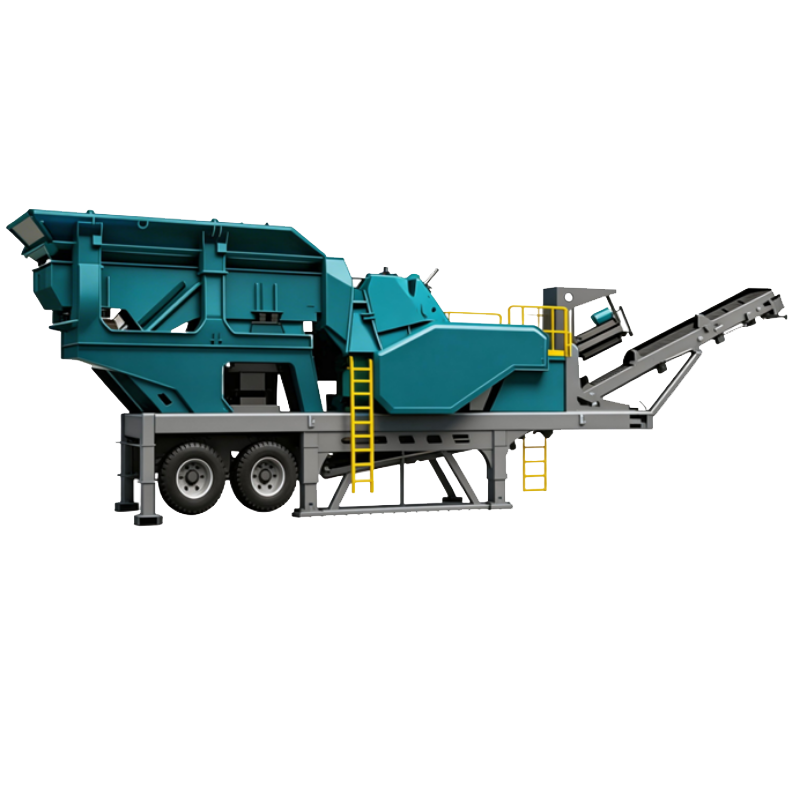
A Mobile Impact Plant Designed Around Fast Changeovers and High Reduction
The SNF platform combines a PFW hydraulic impact crusher, vibrating feeder, foldable conveyors, and optional integrated screening into one wheeled station. It is especially suitable for contractors who move between urban demolition sites, temporary quarry faces, and short-cycle aggregate jobs.
If the project is demolition recycling, soft-rock crushing, or short-term contract production, the SNF station is often the simpler answer than a jaw + cone train. If the material is highly abrasive hard rock, a cone page is the better next comparison.
What Makes the SNF Station Practical on Real Job Sites
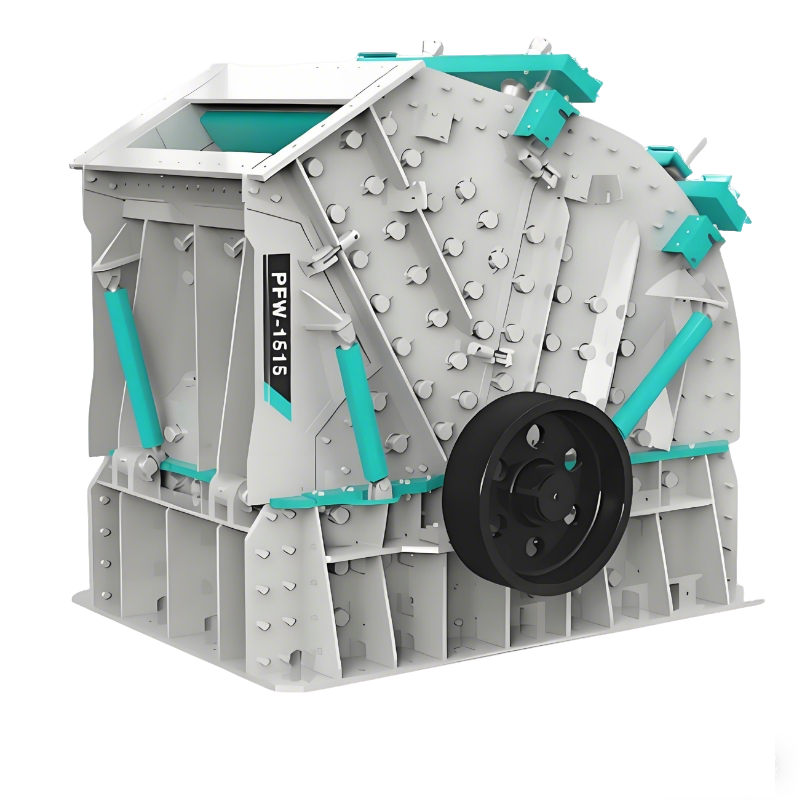
PFW hydraulic chamber opening
Fast access to hammers, liners, and the crushing chamber cuts maintenance time and makes clog clearing much easier on demolition jobs.
High reduction in one pass
Impact crushing can take larger soft-to-medium feed and produce road-base or screened aggregate in a compact layout without adding another crushing stage.
Demolition-ready accessory logic
Magnetic separation, pre-sorting, and integrated screening can be built around the station so recycled output is cleaner and more usable.
Single-chassis mobility
Folding conveyors and road-towable transport reduce civil work and make the station suitable for frequent relocation between temporary projects.
Flexible output setting
Apron adjustment and optional onboard screen let the operator shift from all-in product to graded fractions depending on the contract requirement.
SNF Series in Recycling and Soft-Rock Duty
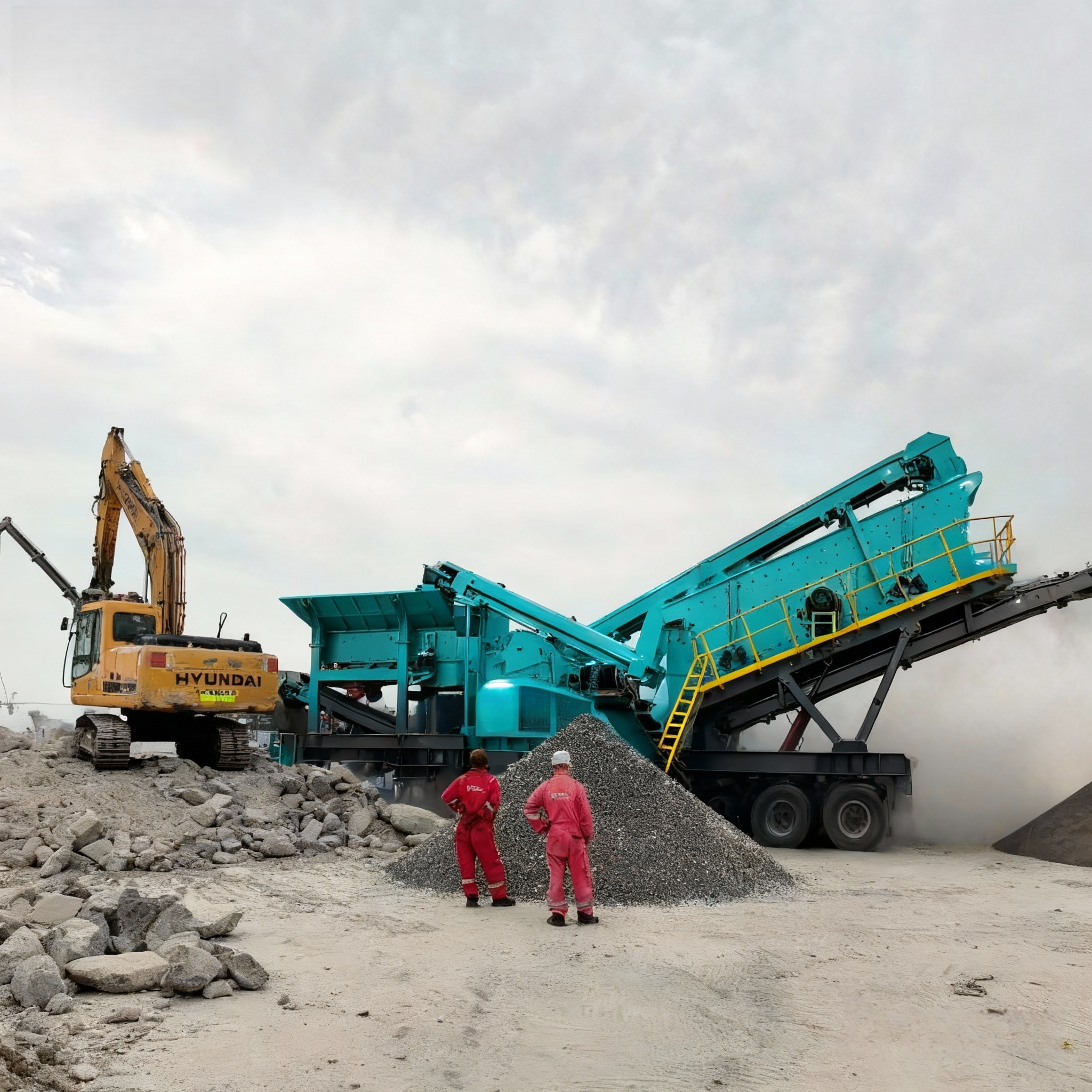
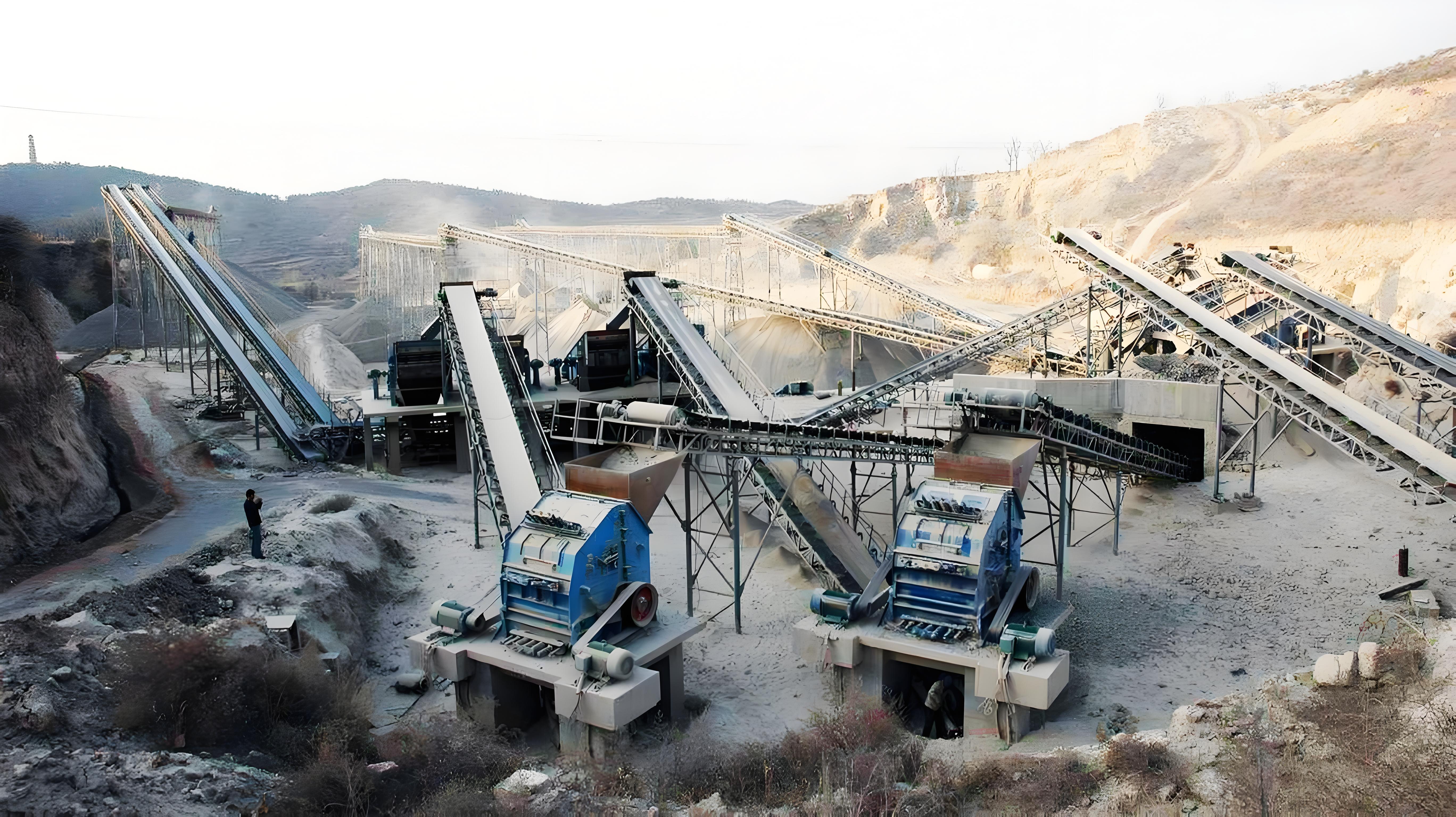
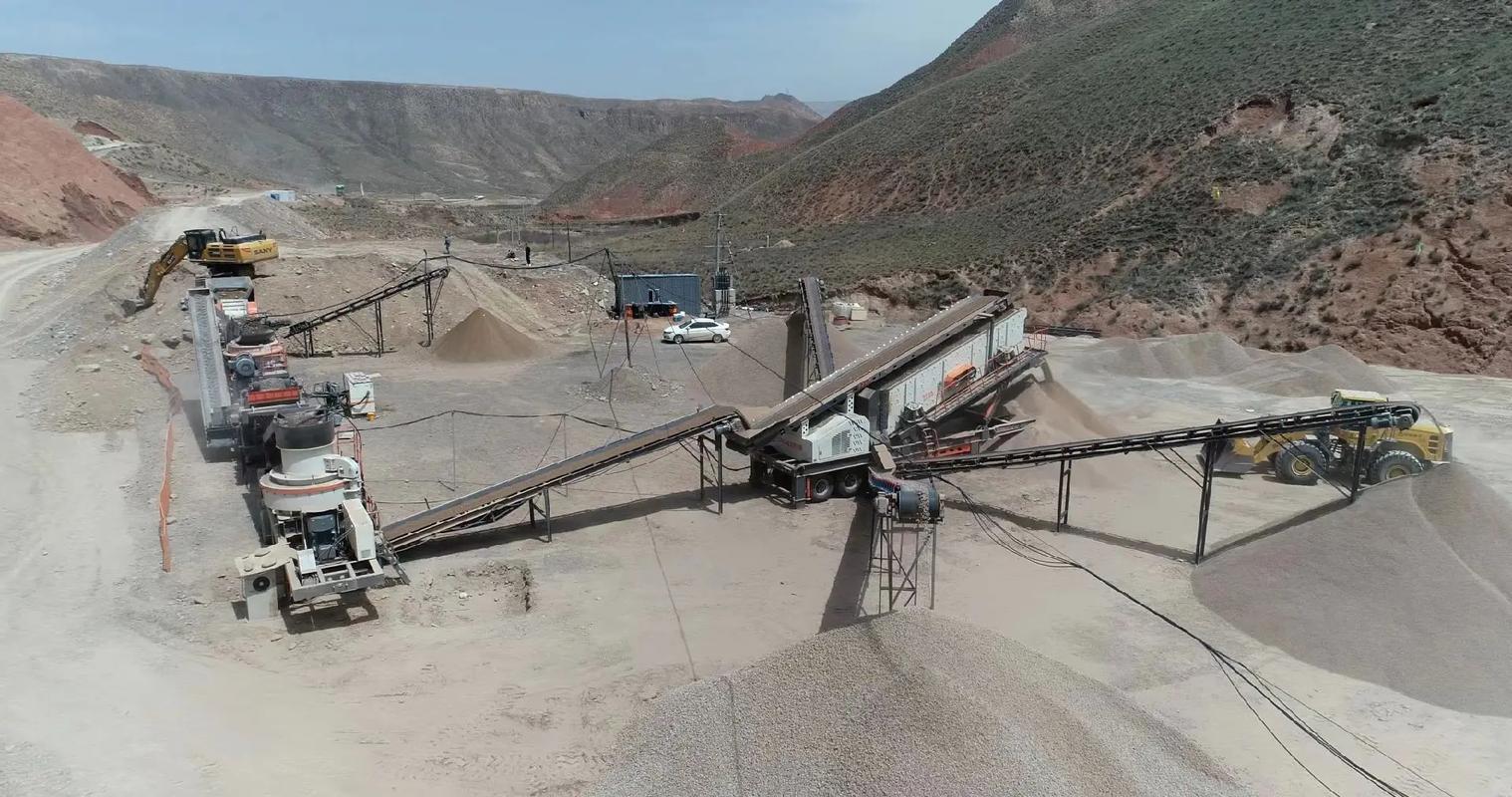
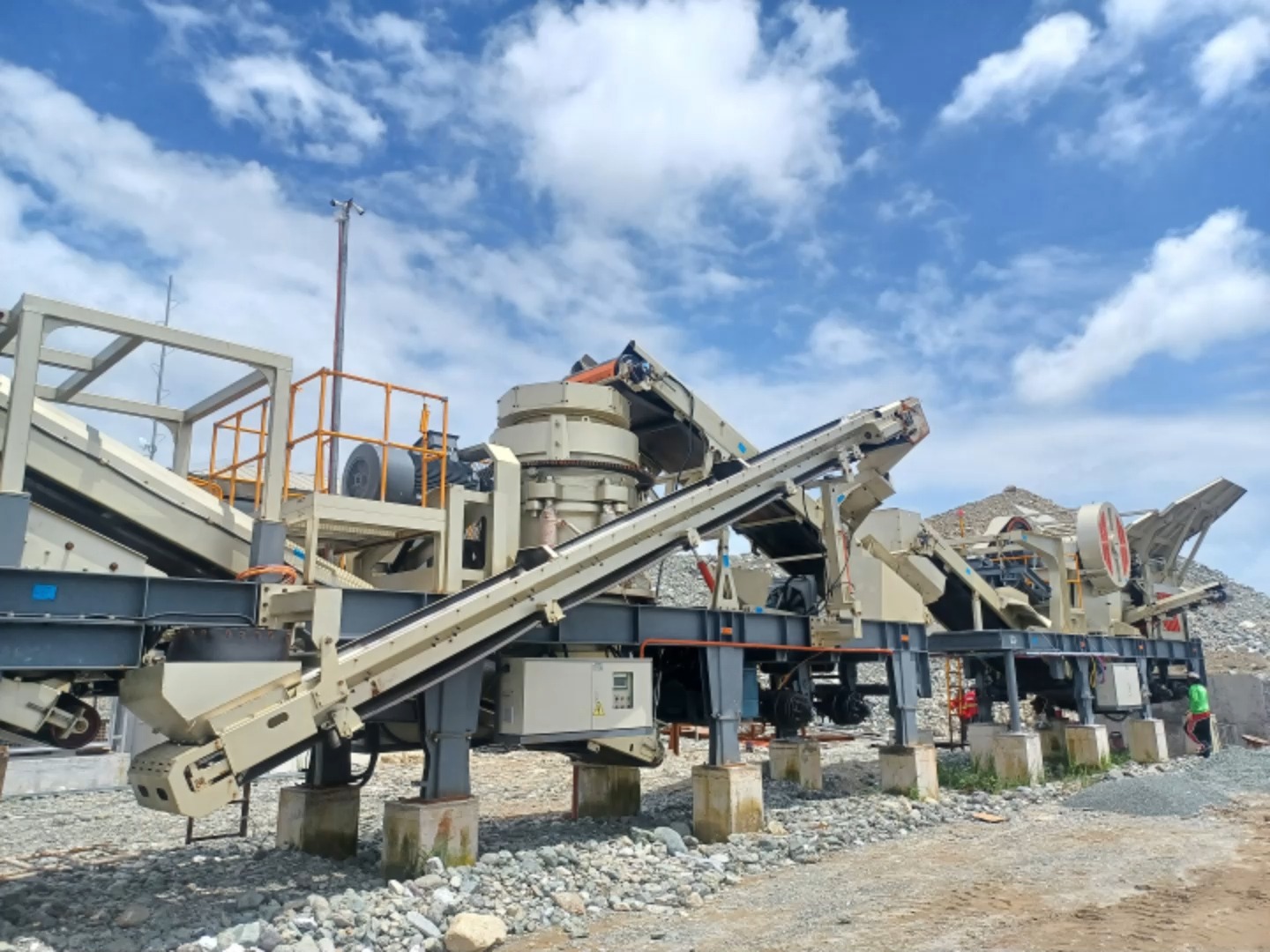
SNF Series Mobile Impact Crusher Station
Four models covering compact recycling jobs up to higher-capacity limestone and demolition applications. Choose the pure crushing version for simpler flows, or the screened version for multi-size output in one chassis.
Best for limestone, brick waste, and straightforward one-stage mobile crushing jobs.
Best for larger demolition jobs and limestone production where a higher-capacity single crusher is enough.
Best for C&D recycling jobs that need multiple fractions from a self-contained mobile unit.
Best for higher-volume limestone or demolition projects that still need a single trailer-based layout.
Where This Mobile Impact Plant Makes the Most Sense
100 TPH C&D Waste Recycling Plant — Brazil
The client was a demolition contractor handling apartment and building clearances across the São Paulo region. Instead of hauling rubble to landfill, the SNF station was deployed directly on site to turn concrete debris into reusable road-base and fill materials. The integrated mobile layout mattered because each project had a limited operating window and no fixed processing infrastructure.
The line was selected because it could combine crushing, screening, and relocation without the footprint of a fixed plant. Magnetic separation was added upstream to reduce steel contamination, and the unit was moved across four separate demolition locations over the course of the project cycle.
Questions from Contractors and Recyclers
What's the Next Process Step?
Need to compare this station with the next process step or another crushing logic?
Planning a C&D or Limestone Project? Send the Feed and Output Target.
Material type, feed size, required fraction sizes, daily hours, and relocation frequency — we will match the right SNF setup and give you a practical recommendation.