
ZSW Vibrating Feeder
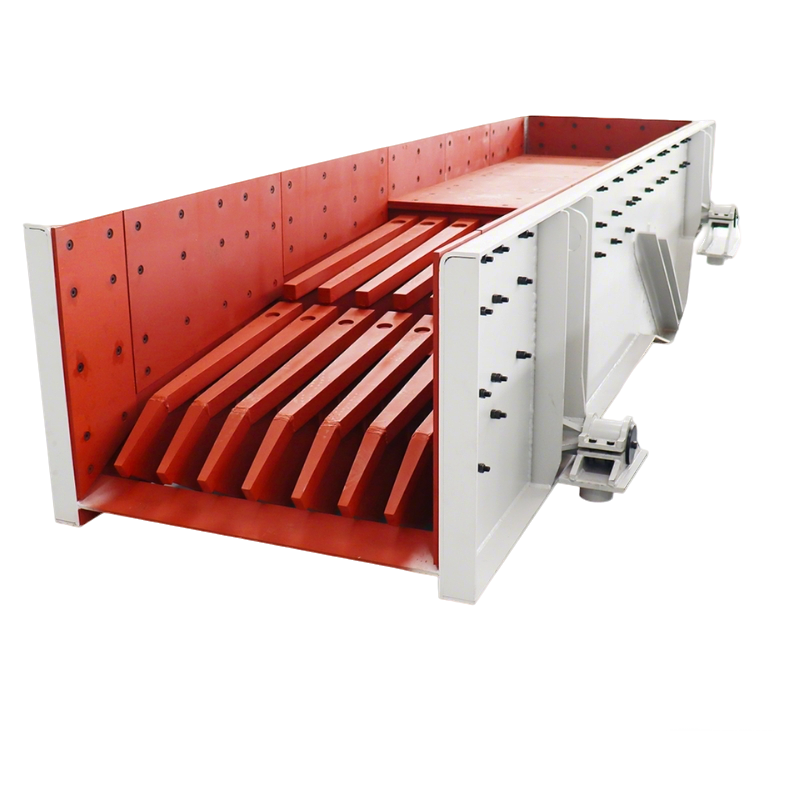
Uniform, controlled feeding is the foundation of every high-capacity crushing line. The ZSW vibrating grizzly feeder delivers consistent material flow to the primary jaw crusher while its inclined multi-section grizzly bars scalp off undersize before it enters the chamber — protecting the crusher, improving throughput, and reducing liner wear across mining, aggregate, and construction applications.
The Foundation of a Reliable Crushing Line
Uniform Feeding + Oversize Scalping in One Unit
The ZSW vibrating feeder integrates two essential functions for primary crushing circuits. First, two eccentric vibrators mounted on opposite sides of the vibrating body generate linear vibration that propels material along the inclined trough at a controlled, steady rate — eliminating the intermittent surges that cause crusher overloading and uneven wear. Second, the multi-section grizzly bar deck installed ahead of the feed outlet scalps undersize material (already smaller than the jaw crusher's closed-side setting) before it enters the crushing chamber. This pre-screening effect increases effective jaw capacity and reduces energy consumption per tonne, while preventing oversized material from bypassing the grizzly deck — protecting downstream equipment.
Adjustable Feed Rate
Variable-frequency drive or manual speed adjustment controls trough vibration amplitude and frequency, allowing real-time regulation of material flow to match crusher loading — from minimum trickle feed to full-load capacity.
Replaceable Grizzly Bars
Individual grizzly bar liners are fabricated from wear-resistant manganese steel and are bolt-replaceable without disturbing the main trough structure — reducing maintenance downtime and consumable cost.
Dual Eccentric Shaft Design
Two synchronised eccentric vibrators mounted at each end produce linear, directional vibration with no lateral scatter, ensuring all material moves forward along the trough axis — preventing dead zones and material build-up at the feed inlet.
Seamless Line Integration
Standard flanged discharge outlets connect directly to jaw crusher feed openings. Optional rubber-lined chute sections absorb impact at the transfer point and prevent material adhesion in wet or sticky conditions.
Heavy-Duty Q345 Frame
Fabricated steel body with rib-reinforced side plates handles sustained dynamic loads from continuous high-tonnage operation without deformation or fatigue cracking.
Coil Spring Vibration Isolation
Mounted on high-load coil springs, the vibrating body is effectively isolated from the supporting structure — minimising transmitted vibration, reducing operating noise to below 85 dB, and lowering foundation construction cost.
Dual Motor V-Belt Drive
Twin electric motors with V-belt transmission to synchronised eccentric shafts deliver reliable, maintenance-accessible power. Belt tension is adjustable, and standard motor sizes from 11 kW to 45 kW cover the full model range.
Feed Chute & Dust Suppression
Standard rubber-lined feed chutes absorb impact at the transfer point and prevent material sticking. Optional dust suppression spray bars and enclosed feed hoods are available for dry, dusty operating conditions.
Built for Continuous Duty in Harsh Mining Environments
The ZSW vibrating body is fabricated from heavy-gauge Q345 structural steel with full-penetration welds and cross-bracing stiffeners at stress concentration points. The complete assembly is mounted on heavy-duty coil spring isolators that absorb vibration and prevent transmission of dynamic loads to the supporting structure — reducing foundation requirements and operating noise. The drive system uses two electric motors driving synchronised eccentric shafts through V-belts; this twin-motor configuration ensures consistent torque delivery and allows one motor to operate independently at reduced capacity during maintenance, keeping the line partially productive.
ZSW Series — Full Specifications
8 models covering capacities from 80 t/h to 1200 t/h, with maximum feed sizes from 500 mm to 1500 mm. Select the model that matches your feed material size and hourly throughput requirements.
| Model | Max Feed Size (mm) | Trough Size (mm) | Capacity (t/h) | Motor Power (kW) | Weight (t) |
|---|---|---|---|---|---|
| ZSW960×3800 | 500 | 3800×960 | 80–160 | 11 | 5.0 |
| ZSW1100×4200 | 580 | 4200×1100 | 120–240 | 15 | 5.3 |
| ZSW1100×4900 | 580 | 4900×1100 | 120–280 | 15 | 6.5 |
| ZSW1300×4900 | 650 | 4900×1300 | 450–600 | 22 | 4.7 |
| ZSW1300×6000 | 750 | 6000×1300 | 500–700 | 22 | 7.8 |
| ZSW1500×6000 | 1000 | 6000×1500 | 600–800 | 30 | 16.3 |
| ZSW1800×6000 | 1200 | 6000×1800 | 800–1000 | 37 | 12.1 |
| ZSW2000×6000 | 1500 | 6000×2000 | 800–1200 | 45 | 18.65 |
Primary Feeding Across Mining, Aggregate & Construction
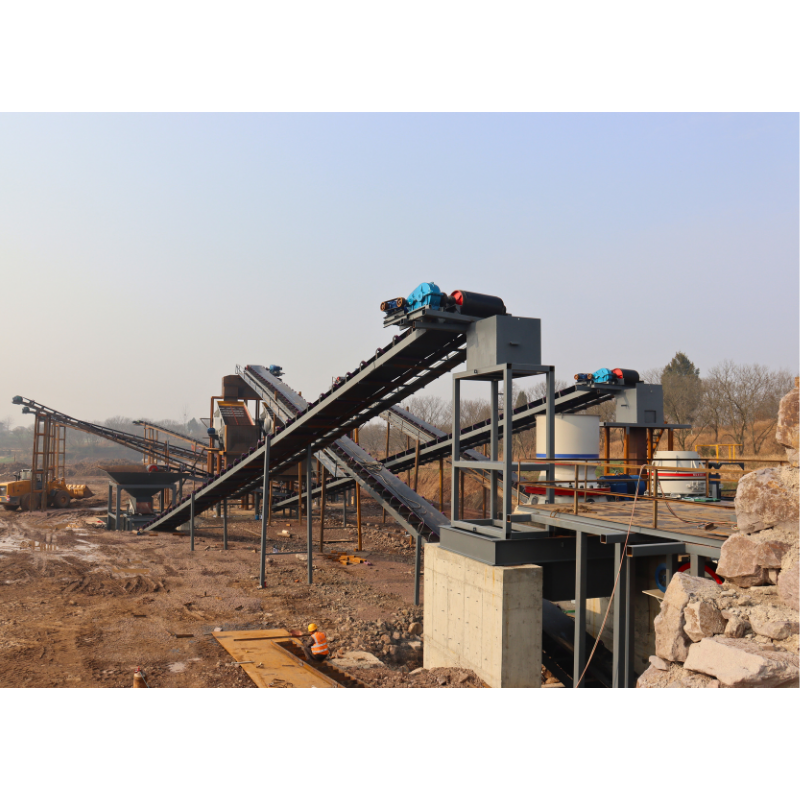
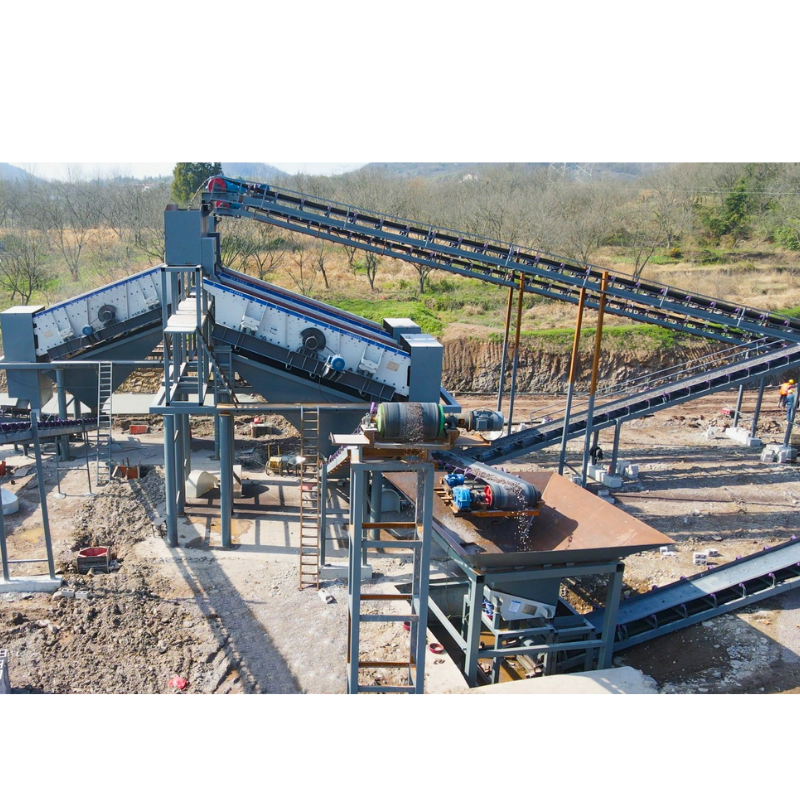
The ZSW vibrating feeder is the standard first-stage unit in any high-capacity crushing circuit. Its ability to handle large-lump raw material with a grizzly pre-screening function makes it the natural choice for primary feeding across three major application domains.
Common Questions About ZSW Vibrating Feeders
Find the Right ZSW Feeder for Your Project
Tell us your feed material type, maximum lump size, target capacity, and feed method — our team will recommend the optimal model and configuration for your crushing circuit.
Request a Quote →